


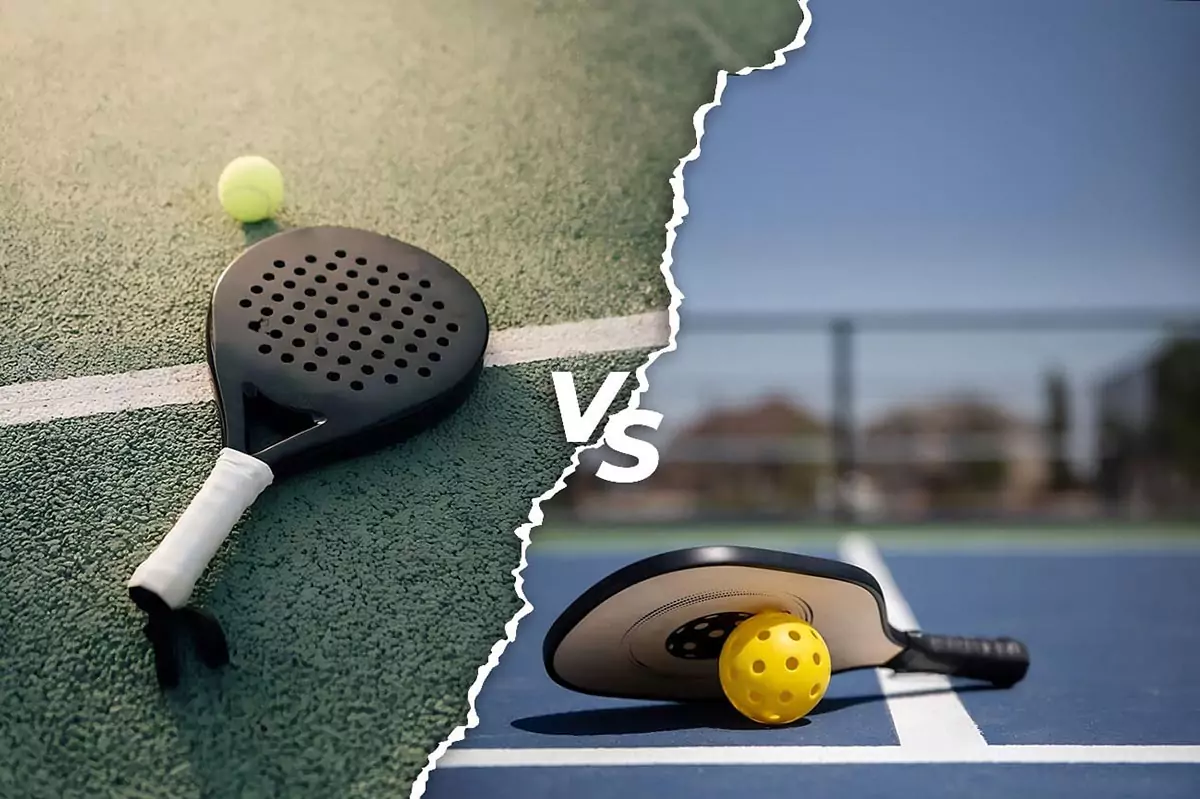
Racket sports have seen a surge in popularity in recent years. Two such sports gaining traction are paddle tennis and pickleball. At first glance they may seem quite similar - after all, they both involve paddles and balls. However, on closer inspection it becomes evident they have distinct differences that make each unique. This article will provide an in-depth exploration of the history, rules, gameplay, equipment, and overall appeal of paddle tennis versus pickleball.
To start, we'll look at paddle tennis, which has been around for nearly a century. Born in New York City, paddle tennis was an ingenious way to bring tennis to urban rooftops. Frank Beal, often called the “father of paddle tennis,” worked to standardize rules and equipment in the 1920s. Since those early days, paddle tennis has spread beyond New York to find popularity in many parts of the country.
The game is played on a court about half the size of a tennis court. Courts may be indoors or outdoors. The paddles used originally had a wooden frame strung with catgut, much like old tennis rackets. Today’s paddles feature a composite graphite face attached to a sturdy aluminum or steel frame. The balls used are similar to tennis balls but with less pressure for lower bounce. Scoring and serving is like tennis but the court layout is different. Overall it is a fast paced game requiring quick reflexes and strategic thinking. As both a competitive and recreational sport, paddle tennis offers an energizing workout to players of all ages and abilities.
The more recently invented sport of pickleball has seen astronomical growth over the past decade. Pickleball can trace its origins to Bainbridge Island, Washington in the 1960s. The quirky name is attributed to the family dog “Pickles” who would chase stray balls during those first backyard games. The game was a mashup of tennis, badminton, and ping pong devised by its inventors to provide outdoor entertainment for their families.
It quickly gained popularity as a fun recreation for all ages. Today there are professional pickleball tournaments, world rankings, and over 4.8 million players in the U.S. alone. Part of pickleball’s appeal lies in the easy portability of the equipment. Courts can be set up almost anywhere on any hard surface. The paddle resembles an oversized ping pong paddle. The ball looks like a wiffle ball with holes across the surface. The lower net and smaller court size allow for long volleys and quick action.
So how exactly do these two racket sports differ? When comparing them side by side, some clear distinctions emerge in terms of equipment, rules, court layout, gameplay, and skills.
First looking at equipment, paddle tennis uses a more traditional racket shape albeit on the smaller side. Pickleball paddles have a larger face and smaller handle grip. The balls also contrast with paddle tennis using a bouncier, pressurized ball like tennis while pickleball opts for a lightweight plastic perforated ball. The nets differ in height too. Paddle tennis nets are 36 inches at sidelines sloping to 34 inches center. Pickleball nets stay consistent at 36 inches throughout.
In terms of court layout, a pickleball court measures 20x44 feet for doubles play - much smaller than the 50x20 feet paddle tennis court. Both sports organize the court into right/left service courts but pickleball includes non-volley or “kitchen” zones up near the net. This 7-foot no volley area forces players to stay back creating more space for volleys and overheads. Paddle tennis does not have a kitchen zone.
Scoring and serving also sets the sports apart. Paddle tennis uses traditional tennis scoring of love, 15, 30, 40, etc. per game and tiebreakers. Pickleball simplifies scoring to 11 points per game with no “advantage” points. Only the serving team scores and must win by 2 points. Both sports require underhand serves struck diagonally cross court. However, in pickleball the serve must clear the non-volley zone to be valid.
In actual gameplay, the distinctions continue. Paddle tennis showcases power and athleticism with aggressive net play. The solid paddles allow for commanding volleys, overheads, and put-aways. Pickleball rewards control and finesse with players lobbing and placing shots meticulously. Long rallies are common until one side gains advantage. Given the smaller court, pickleball demands excellent footwork and quick reactions.
Finally, the skills and techniques vary between the sports. Paddle tennis allows a tennis-style grip and full looping strokes. Pickleball requires a firmer grip and shorter, more compact arm motion. Paddle tennis emphasizes spin serves and baseline power. Pickleball favors finesse - dinks and drop shots win the day. Court coverage and stamina are paramount in paddle tennis. Pickleball victory goes to those with impeccable control and shot placement accuracy.
In summary, while paddle tennis and pickleball appear similar at first glance, they actually present players with quite different game experiences in terms of equipment, court layout, scoring, gameplay, skills, and overall athletic demands. Paddle tennis leans more towards tennis in its power while pickleball resembles ping pong requiring touch and strategy. Ultimately they each offer fun, social and healthy recreation for folks seeking an easy to learn but challenging racket sport.
Both sports continue rising in popularity which points to their inherent enjoyability. Paddle tennis provides an ideal urban sport solution requiring minimal space for setup. Pickleball’s portable equipment and ease of learning makes it accessible to almost all ages. Community centers, YMCAs, recreation clubs and retirement communities are getting in on the action building new paddle tennis and pickleball courts. For those wishing to get in the game, introductory lessons and starter equipment is readily available. Local teams and clubs also offer competitive and social play opportunities.
Whether your interests tend toward paddle tennis or pickleball, be sure to give them a try! Grab a friend or two and get out on the courts. The joys of chasing down shots and rallying for points awaits. It may become your newest sporting obsession once you’ve experienced these sports up close. Remember to keep safety in mind and equip yourselves appropriately as you explore the entertaining world of paddle tennis and pickleball. Now let’s go play!
