


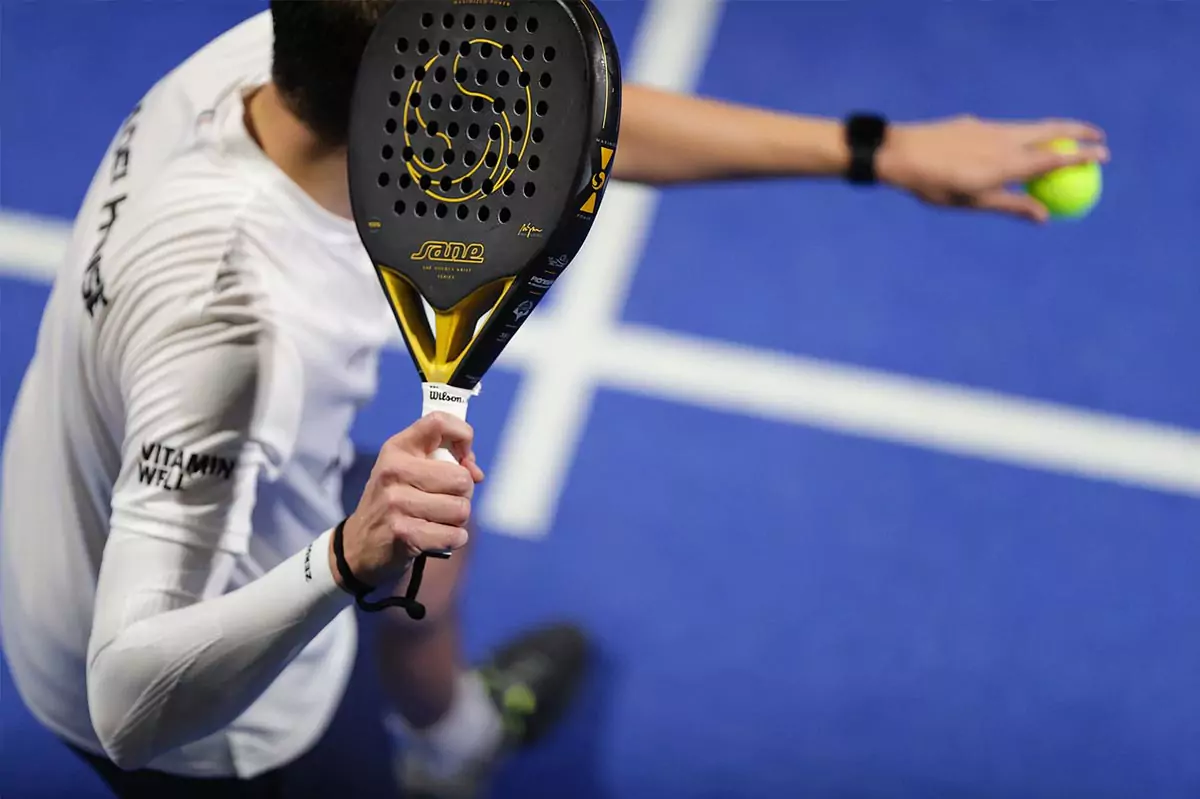
Padel is a rapidly escalating sport that has been taking the world by storm in recent years. It needs players to conjure up a unique blend of abilities and skills, which can make it tricky for some people to master. In this blog post we will be examining the difficulty of playing Padel, how you can acquire all necessary skillsets and also provide tips on perfecting your game. We'll moreover look into numerous advantages learning Padel holds as well as what makes it so extraordinary compared with other games out there! So if you've ever asked yourself "is mastering Padel hard?", then dive right in - let's find out!
Understanding the Basics of Padel
Padel has been growing in popularity over the last few years. It's like tennis, but it comes with its own unique set of rules and regulations. If you've seen someone playing Padel or have heard about it from your mates, chances are you're wondering if this is a tough sport to master?
The great news is that mastering Padel isn't as tricky as other sports out there. The fundamentals aren't too complex; they can be grasped quite quickly and by putting some time into practice anyone could become proficient at playing it!
Unlike tennis where players have to hit the ball over a net using rackets, playing Padel is slightly different. Instead of hitting the ball against a court-width net, your opponents are walls situated close by - making it feel like an extra player on each side as opposed to just one opponent across from you. It also allows for some more creative shots and rallies than would usually be possible in tennis! And let's not forget that there's no specialised racket required when playing Padel either which makes it great for any novice looking to get into racquet sports without needing prior knowledge or experience with squash or badminton. So why not give this vibrant game a go?!
The rules of scoring in Padel make it far more straightforward than traditional tennis matches, which necessitate intricate methods such as love/deuce/advantage/game and the like. In comparison to that with Padel there are only two points available for each rally; you'll receive one point if your team wins the rally (including when you serve) or else one point is awarded to your opponents should they triumph - even upon not returning a served ball. So comprehending how points work becomes simpler because remembering all those various terms used for conventional lawn tennis isn't necessary!
All things considered then though, despite that playing Padel isn't easy-peasy (just like any sport out there needs new skills from time to time), most folks find picking up on fundamentals doesn't come across too hard at all – typically after just an hour's worth of practice newcomers acquire sufficient knowledge so confidently hop into actions straightaway! Consequently this brings us back round again - Is Padel Tough To Play? By and large no – once certain basics have been learnt plus familiarity towards its layering gained, fun times emanate right away without stress or strain!
Padel Difficulty for Beginners
Padel may have only emerged relatively recently, but it has elevated to great heights of popularity in the last couple of years. It's a racket-based sport that combines aspects from both tennis and squash, playable indoors or out. Though often labelled as an easier alternative than its predecessor - which is true on some level - Padel can still seem like somewhat tricky for first-timers. Mastering the regulations surrounding this game takes quite a bit more effort!
It's critically important to be aware that different scoring systems are adopted for distinct styles of playing - like singles or doubles - and certain techniques might not even be allowed in specific tournaments. If you're thinking about performing at a higher level, it pays off to get acquainted with the official regulations before taking the court. What kinds of rules would I have to abide by? Will there be any restrictions on which technological moves can make use of? It sure is worth doing your research ahead!
The court size can be intimidating for people who are new to the game; even though it's smaller than a normal tennis court, Padel courts measure around 20m x 10m and have walls on all four sides which adds an extra dimension to how you play. This means that there is more of the court surface area to cover during games so getting used to moving quickly will help improve your performance. Are you ready for some fast-paced action?
Players must also become accustomed to using racquets specifically designed for Padel, rather than regular squash or tennis. These have shorter handles and thicker grips which make them much safer as well as easier to use during matches; due to the reduced vibrations when striking the ball hard against court surfaces improving control of shots from all angles. It is essential for players to understand how each shot should be executed - although there are similarities between those used in other racket sports such squash and tennis (e.g drives/smashes), most strokes used in padel require more accurate footwork given its faster pace compared with other similar games so possessing great coordination skills will dramatically increase your chances over opponents who may have been playing longer!
Learning Padel: Steps to Mastery
Padel is a sport that's gaining popularity rapidly, particularly across Europe and the USA. It has been described as tennis on steroids - which could be seen to be an apt description given it involves elements from squash, tennis and racquetball but is still relatively straightforward to grasp yet difficult to master! The rules are fairly straightforward: two teams (usually comprising of two players each) use their rackets in order hit the ball over a net into the opponent’s court. Any team unable to return said ball within three hits loses out on one point.
Getting to grips with playing Padel can be quite daunting initially - mastering all the techniques and tactics related to this fast-paced game can seem like a challenge for beginners. Thankfully, there are some measures you can take on your path towards becoming an expert in Padel:
To begin with, practice makes perfect! Ensure that you find space within your timetable for routine practice sessions so that you will progressively increase your assurance and technique while playing Padel. You don't have to play every day – even an hour per week could make a huge difference! Have I got what it takes? Can I really become great at paddle tennis?
Learning Padel doesn't have to be difficult with the right steps. Firstly, you can practice by yourself in order to get familiar with playing and learn some of the basics. Secondly, why not pick up tips from more experienced players about how they approach different situations? That way you'll improve your game quickly. Thirdly, watching professional matches online or on TV is a great idea; it will give an insight into experienced player's tactics which could help understand better during competitions when it comes down to playing yourself! Finally joining local clubs or tournaments would also enhance your skills giving real-time feedback as well as enjoyable social experience - possibly making friends for life along the way! All in all these four steps should put any beginner off on a fantastic start towards becoming an expert at this thrilling sport!
Key Skills Required in Playing Padel
Playing Padel is a sport that combines elements of tennis, racquetball and squash. It requires an entirely different set of abilities than other racquet sports do, so it's essential to figure out what these main skills are in order to master the game. The most important talent for players of Padel is nimbleness. This game has a rapid pace and necessitates swift actions in all directions - something which can be challenging even for experienced gamers! Have you ever tried playing Padel? If yes, how did find it?
The size of the court also has an impact on agility since it is much smaller than that for a normal tennis or squash court; which means shots must be placed more accurately as there isn't too much room to make mistakes. To become skilled at this sport, players should work towards honing their footwork, speed and reaction times. Another essential ability needed when playing Padel is good hand-eye coordination - can you think of any other skills? As the ball ricochets off walls and objects, you have to think on your feet. Players need to be able respond sharply whilst staying focused on the ball in order for it go where they want – not a simple feat! As well as hand-eye coordination, anticipation is also important; being able anticipate where your challenger will strike their shot can give you an advantage when playing Padel. Knowing what's coming next means that you are better placed before returning shots which could lead into getting yourself ahead of the game or even victorious rally position - awesome stuff!
A key part of succeeding when it comes to playing Padel is having a good strategy; you can take advantage of your own strengths and use your opponents' weaknesses against them. This includes understanding what kind of shots will have the best effect - whether they are topspin or flat shots – as well as being able to predict which shot an opponent might return based on where he/she has placed it. Recognizing tactics like this gives players an edge over their rivals, boosting winning chances.
Having mental toughness is also essential for any sport such as Padel; focusing through long exchanges whilst staying composed in tougher games boosts success greatly! Mental strength means managing emotions while losing points due mistakes made by yourself or others, something that may be difficult but pays off if done right: strong focus keeps people calm even during intense moments in matches!
Common Challenges Faced when Playing Padel
Playing Padel is an excellent means of having fun and staying fit, but it can also be a bit daunting. Even if you're an experienced player or just beginning with the game, there are certain difficulties that need to be overcome in order to sharpen your skills. Firstly, playing this sport requires lots of collaboration between two players; so they must have good communication abilities and learn how to work together as one unit - which isn't always easy!
It can take a while for new players to become adjusted to the size and arrangement of the court since there are specific rules that must be followed when playing on an official pitch. When they have got their heads around these regulations, then they will find it much easier to manoeuvre without compromising any of them. Of course, this begs another issue which is how many people can fit on the court at once? It's important that everyone has enough room so as not to feel cramped - after all, no one wants a game where you're constantly bumping into each other!
Given that four players are playing at the same time, two per side, you obviously need a good amount of room for each individual player to make sure collisions don't occur during rallies or points. Thankfully most courts have enough space so it isn't usually an issue but if you're looking to play with more than two people it's something worth thinking about!
Finding good quality rackets and balls can be a challenge, as not all brands provide the same level of durability or performance standards which could impact your play style and ability. In addition, mastering certain shots like drop shots or smashes - requiring precision timing from both opponents in order for them to land correctly on either side's respective court surface area without compromising their positioning within their own half-court areas respectively - is also difficult when playing Padel. It takes practice , dedication (and more practice!) before one starts improving at these types of shots; this makes it especially hard for those just starting out with Padel . All these factors make it clear why many find themselves struggling when first beginning however with commitment, perseverance & plenty of practise anyone should eventually master every element related to this great sport!
How Difficult is it to Learn Padel
Figuring out padel can seem like a daunting task, but it doesn't have to be. Sure, you'll need dedication and perseverance - exactly the same as with any other sport. But there's more to Padel than simply whacking the ball back and forth; this game has its own set of rules that require mastering in order to do well at it.
If you're just starting out then getting your head around court layout is essential! It's split into four sections - two halves on either side separated by a service area right down the middle which divides both players' areas up nicely.
Padel has four walls, two of which are solid and on each end of the court whereas the other two have glass panels where you can make returns when playing either doubles or singles. It's important to keep an eye out for these areas as they form a huge part of your strategy in Padel. Plus, it helps if you know how to use all sorts shots properly with some basic rules in mind such as volleys being illegal after one bounce and having only up to two touches before getting the ball back over the net (when playing alone).
Once you've got the hang of it, playing matches will feel much more natural and this in turn can help you get ahead when competing against opponents. Besides having these skills though, knowing how to move around on court properly is vital for good performance, since most points are won by outwitting your opponent rather than relying solely on technique.
Learning padel may seem intimidating to begin with, but if you put in enough practice anyone can become an expert! If you dedicate yourself and persevere then you could soon be a great player capable of taking on those who have been playing for years. To master the game it's helpful to anticipate where your opponent will hit their shots based off their body language or use footwork drills - this way you'll react more quickly during rallies so that instead of always being behind due to slow reflexes or poor positioning from incorrect movements, you will seize control of points early. Ultimately, learning Padel takes some effort but with commitment anybody can do it!
Useful Tips for Improving Your Padel Game
Getting good at Padel can be an uphill battle for loads of folks. It's a sport that needs both physical and psychological abilities, to say nothing of knowledge about tactics and strategy - so it's not exactly easy to fully get the hang of it straight away! But with the appropriate approach you could make serious steps forward in your progress pretty swiftly. Here are some tips which'll help you improve your game: To begin with, have regular practice sessions.
Spending time playing regular matches will definitely help you get a handle on the techniques, tactics and strategies that top players use in competition. Also make sure to play against opponents who are better than yourself; this way you can learn from them and quickly improve your personal skills. With consistent practice, muscle memory is built up which makes it simpler for certain shots or strategies to be remembered during competitive games!
Furthermore, for a competitive edge when it comes to playing Padel, it's imperative that you work on your physical fitness if not already done. This is because of the quick changes in direction and reactions needed as well as strong endurance levels during the game - something which can't be overlooked by those wanting to play at an advanced level compared with more experienced players. Building up this strength could involve running or taking part in High Intensity Interval Training (HIIT) workouts tailored specifically towards Padel; making sure they're relevant so that maximum benefit occurs while actually playing!
Lastly, another great way to hone your skills is learning from others who have excelled within the sport itself – whether through watching videos online or attending coaching classes/lessons provided professionals offer guidance such as footwork drills and shot selection techniques etc… By observing these different methodologies implemented by top-level athletes gives insight into what works best individually — ultimately resulting in invaluable information come tournament time.
The Journey from Novice to Pro in Padel
Are you new to the sport of Padel? If so, you might be wondering how difficult it is. Well, that all depends - yes and no. It really comes down to what kind of level you want your game skills at. Just like with any other sport, moving from being a beginner up through becoming an advanced player takes time and practice!
As far as Padel's base rules go they're fairly straightforward; think of it as a racket based activity which incorporates bits from tennis, squash and badminton while two players face off in court space resembling that for playing squash – nice one!
In order to gain points when playing padel, you have to strike the ball over the net towards your opponent's side of the court before it bounces twice on your own or goes beyond bounds. However, compared with many other sports out there, technique isn't everything in Padel; once you reach a certain level tactics also come into play and strategy becomes increasingly necessary if you want to win matches. Wondering how exactly this works? It all depends on understanding the intricacies of each specific match!
Playing Padel to a competitive standard requires more than just physical ability; it also needs tactics. You have to know how your rivals will react when given certain shots or presented with particular situations in the match - not an easy task! Although some people may get these skills quickly, most of us can't pick them up over night and they take time and practice. However, if you devote sufficient effort into improving your form as well as honing your tactical awareness then eventually you'll be able to compete with experienced players while still having fun doing so!
Making the Process of Learning and Playing Padel Easier
Padel is an exhilarating sport that has been gathering momentum over the past couple of years. It's a tremendously enjoyable and high-paced game which needs skill, planning, and focus - but for those who are new to it or don't hold much practice in playing padel then it can seem quite daunting. The regulations of the activity are complicated and there're plenty of various approaches you need to master if you want to do well at Padel; however fortunately there're heaps attitude one could take on board making learning how to play as well as performing this entertaining sports less demanding!
Understanding the basics of what makes a good game of Padel is key. To excel in this sport, you need to make sure that each team member utilises their skills and knowledge effectively throughout playtime; be prepared for any changes in tactics or conditions during the match too! It's also worth noting how different shots should be played - practice can help improve your performance but having an understanding of some core principles will take it up another level. After all, why give away points when they could easily have been avoided?
What's more, having access to quality instruction can really give players the advantage when it comes to learning how to play Padel effectively. With loads of handy online resources offering detailed tutorials on all aspects of the game as well as top tips for tackling tricky situations while competing against other contenders - this type of guidance is invaluable in helping newcomers get accustomed to the sport before taking their skills out and playing at a higher level!
Additionally, if you're looking to improve your game quickly then seeking out qualified coaches or joining a local club is the way forward. This will give you an insight into what works best for you on court and help acquire skills faster than attempting it alone without any guidance whatsoever.
Finally, technology such as video analysis software can provide great assistance when trying to develop winning strategies – this allows players review their own performances by replaying matches in order analyse specific passages within them; even comparing their games against professional ones! With access to things like this it's much easier to work on those weaknesses rapidly and incorporate new moves into your style of play whenever necessary - something which may have otherwise taken time we just don't often have with our hectic lifestyles nowadays?
To wrap it up, getting into Padel can be a daunting task if you're fresh to the game. But with some good ole practice and guidance any novice player will soon get their bearings on what's needed! Dedication is key in polishing your skills, so take all the time that you need; eventually through determination and commitment everyone can attain expert status at this unique sport - why not start now?
Don't forget to check: