


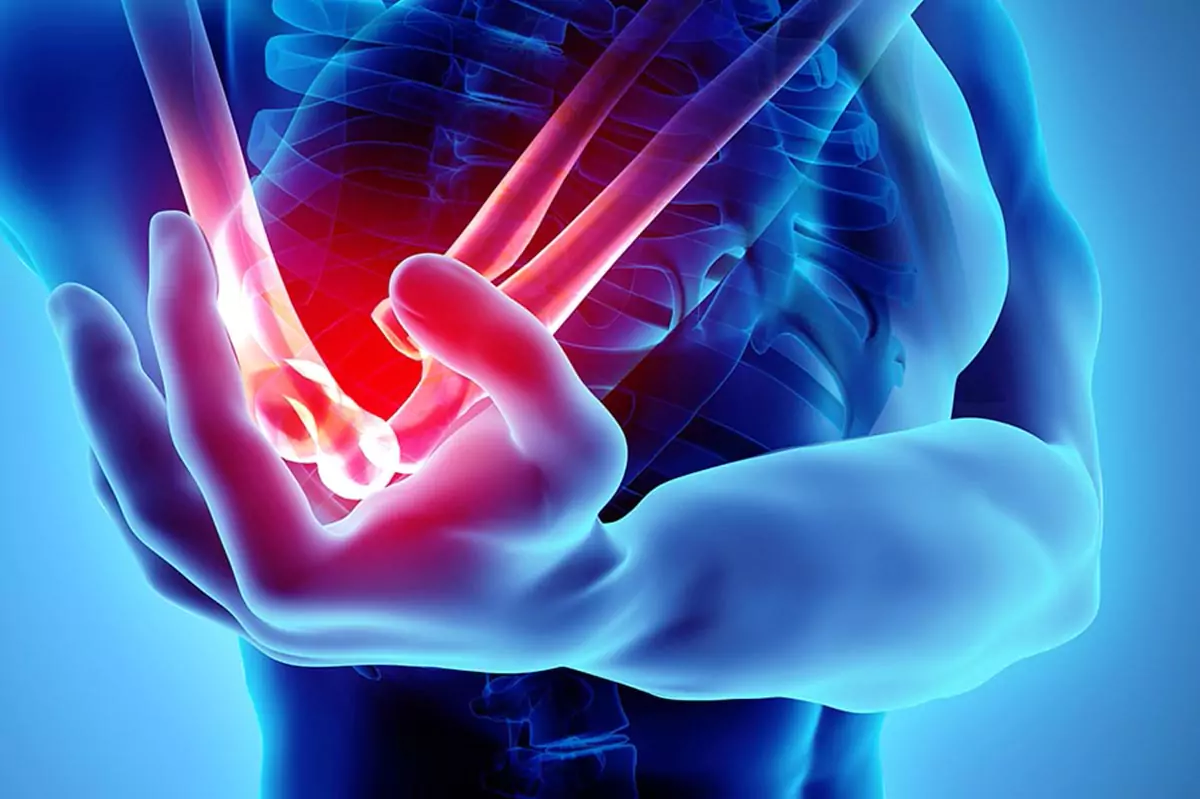
While Padel provides awesome benefits, the reality is that injuries do occur. Understanding the most frequent injuries and their causes will help you minimize risk.
Overuse Injuries
Padel involves repetitive swing motions that can strain muscles and joints over time. Frequent injuries from overuse include:
Tendonitis - This is inflammation of tendons, often in the elbow, knee or shoulder from excessive strain. Pain and impaired joint mobility result.
Muscle strains - Partial or complete tears in muscles like the biceps or hamstrings from sudden over-exertion. Tenderness, swelling and bruising can occur.
Stress fractures - Extreme and repeated impact on bones like the foot or shin can cause tiny cracks called stress fractures. Intense focal pain from weight-bearing typically results.
Prevention: Building strength in tendons and muscle groups used in Padel through weight and resistance training helps reduce overuse. So does warming up properly and using good technique.
Acute Injuries
Sudden trauma like awkward landings also contributes to acute injuries:
Ankle sprains - Rolling the ankle when landing or changing directions aggressively can stretch or tear ankle ligaments. Significant swelling, instability and bruising may occur.
Wrist sprains - Stumbling and bracing a fall with an outstretched hand can lead to torn wrist ligaments and tendons. Stiffness, swelling and bruising often result.
Knee ligament tears - Pivoting forcefully can tear knee ligaments like the ACL. This causes instability, intense pain and joint effusion.
Prevention: Practicing proper landing biomechanics, balance training, agility drills, ankle braces and taping help minimize acute injury risk during play.
Overuse Injuries in Padel Pros
Even top professional Padel players dealing with grueling tournament schedules and intense training fall victim to overuse injuries:
- Shoulder tendonitis from repetitive swings is common. Icing and improved strength training help.
- Lower back muscle strains from torque when hitting strong backhand shots frequently occur. Core strengthening alleviates this.
- Wrist and elbow tendonitis from excessive practice and play causes impaired performance. More rest and compression sleeves help recovery.
- Patellar tendonitis below the kneecap plagues some. Icing after play and massage improve this.
- Plantar fasciitis due to extreme impact on the feet affects many. Orthotic shoe inserts help alleviate this.
The physical demands on world-class Padel pros make injuries an unfortunate reality despite access to top sports medicine and training support. Finding the right balance between rest and activity is essential for longevity.
Padel Injury Prevention Tips
Let’s explore some practical strategies to help Padel players avoid injuries and stay healthy:
Warm Up Thoroughly
- Spend at least 10-15 minutes warming up before play. This boosts circulation, loosens muscles and enhances range of motion. It also allows your body to adjust to activity incrementally.
Perform Dynamic Stretching
- Dynamic stretches that mimic Padel motions help maximize flexibility while reducing injury risk compared to static stretching alone. Arm swings, lunges and squats are great options.
Develop Strength and Mobility
- A tailored strength training routine focusing on joint stability, rotational core activation, balance and lateral movement helps prevent injuries during Padel play.
Use Proper Footwork
- Maintaining proper footwork technique with weight balanced and small adjustment steps prevents undue strain on muscles and tendons. It also reduces chances of rolling an ankle.
Hydrate Properly
- Drinking adequate water before, during and after play helps prevent muscle cramps and overheating which can increase injury risk.
Wear Supportive Footwear
- Using cross trainers or specialized shoes with anatomical cushioning and lateral support is vital for stability during quick start-stop motions.
Allow Adequate Rest
- Avoid overtraining and allow physical recovery between intense practices and matches. Soft tissue injuries often result from fatigued muscles.
Being proactive and consistent with injury prevention allows you to enjoy Padel safely and comfortably while also enhancing your competitive game performance through improved mobility, stability and mental focus.
Treating Padel Injuries Properly
If you do suffer an injury playing Padel, it’s critical to treat it properly to regain health and avoid complications or long-term damage. Here are injury treatment guidelines:
RICE Method
Using the RICE method initially can alleviate pain and swelling:
- Rest - Take a break from Padel and avoid overexerting the injured area.
- Ice - Use ice packs intermittently to reduce inflammation. Avoid direct skin contact.
- Compression - Wrap the area with an elastic medical bandage to prevent swelling.
- Elevation - Keep the injured joint raised above the heart to minimize swelling.
See a Doctor
- Seek medical evaluation from an orthopedist, sports medicine doctor or physical therapist for proper diagnosis and treatment guidance based on injury severity.
Use Medications Judiciously
- Take over-the-counter non-steroidal anti-inflammatory meds like ibuprofen to alleviate pain and swelling as directed by your doctor. Use the minimum dosage needed.
Follow Rehab Diligently
- Closely adhere to the rehabilitation regimen provided by your doctor/physical therapist including rest, ice, stretching, strengthening, massage, and progressively increasing activity.
Returning to Padel too quickly after injury or failing to complete rehab properly risks exacerbating damage or a recurrence. Be patient and smart about recovery.
Padel Training and Technique to Prevent Injury
Beyond foundation injury avoidance, more advanced Padel training and technique principles can further help minimize injury risk while elevating your game skill level:
Refine Stroke Technique
- Focus on using proper grip, balanced footwork, full body rotation and compact joint-friendly backswings for more efficient power transfer and injury avoidance.
Build Explosive Power
- Plyometric exercises that train rapid muscular contraction improve acceleration to reach shots quickly while engraining sound movement patterns and strengthening stabilizing muscles.
Enhance Agility and Quickness
- Ladder and cone drills that develop coordinated foot speed, lateral movement and change of direction translate directly to maximizing court coverage and injury resilience.
Improve Rotational Strength
- Medicine ball rotational throws enhance torso strength and multi-plane control for greater stroke fluidity and core stability during quick reactions.
Target Leg and Shoulder Strength
- Squats, lunges and overhead presses build leg and shoulder strength while improving balance and joint stability to withstand heavy Padel loading.
Refine Mental Game
- Visualization, mental imagery and match scenario drills hone concentration, strategy, anticipation and shot selection for confident play and injury avoidance.
A comprehensive training approach takes your game fitness, focus and skills to the highest level while bulletproofing your body against injury. Strive to be a smart, capable and resilient player.
Padel Gear and Equipment to Prevent Injuries
Wearing the right performance gear and selecting appropriate equipment is also an important injury prevention strategy in Padel:
Shoes - Use cross-trainers or padel-specific shoes with sturdy lateral support and cushioning for intense stop-start motions. Replace regularly.
Paddle - Choose a paddle with the right grip size and head size/weight for your hand size, strength and skill level to reduce strain.
Grip - Opt for a tacky grip texture and synthetic palm material to minimize paddle slippage during sweaty play. Re-grip regularly.
Protection - Consider a lightweight compression sleeve, brace or taping for vulnerable elbow, knee or ankle joints to provide extra support.
Clothing - Breathable, sweat-wicking clothing keeps muscles warmer and enhances flexibility compared to everyday cotton wear.
Hydration - Use a Camelbak or water bottle to stay continually hydrated during long matches to prevent muscle issues.
Vision - Sport-specific goggles with ventilation and head/sweat bands absorb moisture and enhance visibility of the ball in flight.
The right athletic gear makes a big difference in injury prevention and gives you added confidence on the court. Seek professional recommendations based on your body type and skill level.
Emerging Innovation to Enhance Padel Safety
As Padel popularity has soared, product innovation aiming to reduce injury risk has accelerated rapidly to meet growing demand:
- Smart paddles now use sensor technology to analyze swing technique and provide real-time biofeedback to players through mobile apps to minimize joint strain and overuse issues.
- Advanced court surfaces like fully suspended hardwood floors are being tested to increase shock absorption and mimic natural clay courts for safer extended play.
- Reinforced glass court walls now incorporate unbreakable polycarbonate layered material to prevent player injuries from wall shatters and fractures.
- AI-powered sensors mounted along court walls can track and analyze movement patterns during play, alerting facilities managers regarding high-risk activity areas associated with increased player injury rates so adjustments can be made.
- Remote health monitoring devices like wearable sensors, AI performance trackers and real-time analytics enable coaches and medical staff to identify early signs of overuse injuries and intervene before major damage occurs.
Cutting-edge innovation aims to make Padel even more safe and sustainable for the long-term growth of both recreational and competitive participants while also enhancing public perception.
Maintaining Balance as a Padel Player
Finding the right equilibrium as a Padel player between excitement and safety awareness is key. Pushing your competitive limits and abilities to master new skills is thrilling and rewarding. But understanding proper injury prevention principles and smart training practices allows you to minimize health risks.
Here are final tips for optimizing your enjoyment of Padel through balanced approach:
- Consult experts - Seek guidance from experienced coaches, doctors and physios to learn safe and strategic Padel tactics tailored to your level.
- Build gradually - Increase court time, practice intensity and competition progressively in concert with strength/fitness gains.
- Listen to your body - Don't ignore warning signs of overuse like lingering soreness or joint pain which signal need to rest and recover.
- Prioritize quality - Focus on controlled, proper technique rather than excessive ball pounding and repetition alone during training.
- Learn and refine - Continually educate yourself on latest injury avoidance and treatment best practices as part of your development.
- Compete wisely - Balance your Padel schedule including training, practice, competition and recovery periods for optimal performance and safety.
- Have fun! - Remember Padel should be an enjoyable experience. Don't let injury anxiety overwhelm the satisfaction and benefits of playing.
By integrating injury prevention into your training approach and competitive mindset, you can enjoy all the upside of amazing Padel with less risk!
